Jelly Lelly Font for Creative Branding and Design Projects
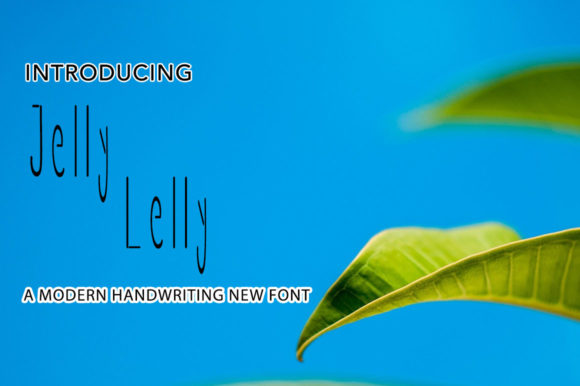
It was a Monday morning, the kind where I needed to shake off the weekend and get back into design mode. My client had reached out with a simple request: create a visual identity for their new artisanal skincare brand that felt warm, approachable, and handcrafted. As I opened my blank brand board in Figma, I instinctively thought of script handwritten fonts — something natural, something soft. That’s when I found Jelly Lelly, a sweet and simple handwritten font that immediately caught my eye.
Jelly Lelly in Logo Design for a Skincare Brand
I started by testing Jelly Lelly on a logo draft. The name of the brand wasn’t set yet, but I knew the tone they wanted. A handwritten font could bring authenticity, but not all scripts are created equal. Jelly Lelly has a gentle, flowing rhythm with subtle irregularities — exactly what you want for a logo that feels human and not too polished. It didn’t scream “luxury,” but it whispered “handmade” and “caring.” Perfect for a brand that values personal touch and organic ingredients.
One thing I always check before finalizing a typeface is how it holds up in different sizes. Jelly Lelly performed well at both large and small scales. In the logo itself, it looked elegant as a headline font, while in smaller sizes like on product labels or packaging tags, it retained its charm without becoming unreadable. This made me confident that it would support a cohesive brand system across multiple touchpoints.
Jelly Lelly for Packaging and Product Labels
The next step was applying Jelly Lelly to mockups of product packaging. The client envisioned minimalist jars with soft pastel tones and clean layouts. Here, the font really shone. Its unique style added just enough character to stand out from competitors without overwhelming the design. I paired it with a modern sans serif font for body text, using Jelly Lelly exclusively for the product names and taglines.
What I loved most was how the font adapted to different surfaces. Whether it was printed on glass labels, digital mockups for e-commerce banners, or even a sticker-style version for sample bottles, Jelly Lelly maintained its personality. It felt like part of the brand story rather than just a design element. For packaging designers, this is huge — consistency across formats is key to building brand recognition.
Testing Jelly Lelly in Real-World Scenarios
Before committing to the font, I tested it in several real-world scenarios. How does it look on a shop sign? Surprisingly well — the characters have enough variation to avoid being monotonous, yet remain legible at a glance. What about business cards? Again, Jelly Lelly worked beautifully. Its soft curves and light strokes gave the impression of a thoughtful, personal brand.
I also tried it on an Instagram post mockup. With the rise of handwritten typography in social media aesthetics, especially among lifestyle and wellness brands, Jelly Lelly stood out. It fit seamlessly into content pillars like “Our Story,” “Handmade with Love,” and “All-Natural Ingredients.” The font’s simplicity made it easy to read on mobile screens, while still feeling fresh and engaging.
Jelly Lelly for Social Media Graphics and Website Headers
As we moved into web and social design, I noticed how versatile Jelly Lelly became. On the homepage hero section, it worked perfectly as a display font. When paired with a clean, geometric sans serif, it balanced the playful with the professional — exactly the vibe the brand was aiming for. For social media graphics, I used it sparingly in headers and pull quotes to add warmth and guide the viewer’s attention.
Using Jelly Lelly in website headers meant I had to be careful with spacing and color contrast. Handwritten fonts can sometimes feel cluttered if not handled properly, but Jelly Lelly’s open letterforms and consistent baseline helped maintain clarity. I’d recommend using it in combination with lighter weights for better hierarchy and ensuring sufficient white space around the text.
Font Pairing Tips with Jelly Lelly
One common mistake when using script handwritten fonts is pairing them with another similar typeface. Jelly Lelly is best complemented by contrasting styles. For editorial design, I paired it with a serif font for body copy, allowing the script to draw attention to headlines and callouts. In digital templates, a sans serif worked wonders to keep things modern and scannable.
- Serif font pairing: Great for storytelling elements or blog headers where elegance is desired.
- Sans serif font pairing: Ideal for websites and digital assets where readability is crucial.
- Script font pairing: Avoid unless creating a layered typographic effect; Jelly Lelly stands out on its own.
Jelly Lelly for Merchandise and Printed Marketing Materials
Merchandise and printed materials often require a font that looks good both close-up and from a distance. I designed a few mockups for stickers, tote bags, and greeting cards using Jelly Lelly. Each time, the font added a personal flair that aligned with the brand’s mission of connecting with customers through quality and care.
In printed marketing materials like flyers and posters, the font’s unique style helped establish a strong visual hierarchy. Used in short-form text, such as slogans or taglines, it became the emotional anchor of the piece. I always suggest testing Jelly Lelly in print before going full scale — some handwritten fonts don’t translate well from screen to paper, but this one did surprisingly well.
Commercial Font Licensing Considerations
Since the project involved commercial use, I double-checked the licensing options for Jelly Lelly. Fortunately, it offers clear commercial font licenses, which is essential for anything from product packaging to branded merchandise. As a designer, having peace of mind knowing the font can legally be used in all deliverables is invaluable.
Also worth noting: the file formats included were standard (like TTF and OTF), making it compatible with most design tools. No need for special software or workarounds. And because it’s a premium font, it came with alternate characters and ligatures that allowed for more creative flexibility in branding applications.
Why Jelly Lelly Works Well for Brand Identity
Brand identity isn’t just about logos. It’s about creating a consistent experience across every point of contact. Jelly Lelly helps with that by offering a distinct yet readable handwriting style. Its sweet, almost whimsical feel works particularly well for businesses targeting younger audiences, women, or those in the beauty, food, and lifestyle niches.
When building a brand identity with Jelly Lelly, I focus on keeping the rest of the design minimal so the font can shine. Too many textures or bold colors can mute its delicate charm. Instead, soft gradients, muted backgrounds, and ample negative space help the script pop without being distracting.
Use Cases Beyond Branding
While I primarily used Jelly Lelly for logo design and brand materials, it also proved useful in other areas. For instance, it worked well for event posters, thank-you notes, and even in email signatures. Anywhere a handwritten font adds a sense of intimacy or craftsmanship, Jelly Lelly fits right in.
Its natural style makes it incredibly fitting for a large pool of project ideas — including boutique signage, handmade shop branding, and local restaurant menus. If your client wants to stand out without shouting, this font is a solid choice.
Jelly Lelly for Small Business Owners and Freelancers
If you’re a small business owner or freelancer working on your own brand, Jelly Lelly can give your designs a boost without requiring a high budget. It’s not just another generic script handwritten font; it has character and warmth that make it memorable.
For freelancers, using Jelly Lelly in your portfolio or on client proposals can subtly reinforce your creative personality. It’s not overpowering, so it doesn’t distract from your work. But it’s expressive enough to leave a lasting impression — especially if your niche includes lifestyle, food, or craft-based clients.
Practical Recommendations for Using Jelly Lelly
Here’s what I’ve learned after using Jelly Lelly in a few projects:
- Test it in context: Before finalizing, apply it to a variety of surfaces — business cards, packaging, social posts — to see how it performs.
- Pair carefully: Use it with a more structured typeface to balance the whimsy with professionalism.
- Keep it simple: Let the font do the talking. Don’t overcomplicate the layout with too much texture or background noise.
- Check multilingual support: If your project requires international characters, confirm that Jelly Lelly supports them — it did in my case, which was a relief.
By the end of the project, the client was thrilled. They said the font captured the essence of their brand better than any other option they’d seen. As a designer, that’s the kind of feedback that makes the process rewarding. Jelly Lelly may be a script handwritten font, but it brought depth, character, and cohesion to the entire brand system.
Jelly Lelly for Creative Studio Projects and Client Work
Working in a creative studio means juggling different types of client work, and Jelly Lelly has become a go-to in certain situations. For example, I recently used it in a branding package for a local coffee shop. The owner wanted something friendly and inviting, and the font added just the right amount of charm to the café’s name on signage and cups.
Another project involved designing a series of promotional materials for a handmade jewelry line. Here, Jelly Lelly played a supporting role in taglines and descriptions, while a bold sans serif handled pricing and product titles. The combination felt authentic and visually appealing, reinforcing the idea that the products were crafted with love and intention.
What I appreciate most is how quickly Jelly Lelly integrates into a project. It’s not fussy, it’s not difficult to adjust, and it’s not limited to just one platform or format. Whether I’m working on web design, print collateral, or digital ads, it adapts well and maintains its core aesthetic.
Final Project Insights and Designer Takeaways
After spending weeks with Jelly Lelly, here’s what I take away:
- It’s perfect for short-form text like logos, headers, and social captions.
- It adds a human touch to otherwise clean and modern design systems.
- It’s suitable for both digital and print applications, thanks to its legibility and adaptability.
- It complements a wide range of industries, especially those rooted in craftsmanship and authenticity.
So, if you’re looking for a script handwritten font that feels genuine, not gimmicky, Jelly Lelly is worth a closer look. It might just be the missing ingredient in your next brand identity or design project.