Winjaga Font: A Joyful Touch for Business Design
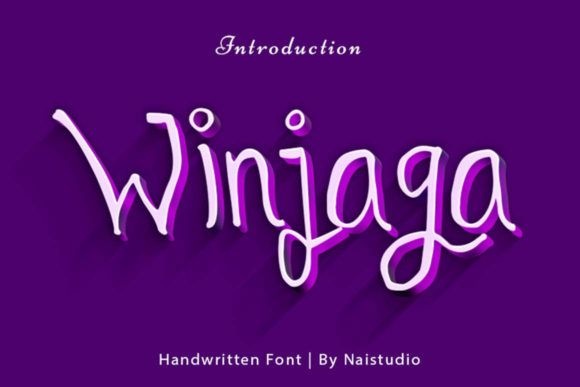
I recently opened a small online shop selling handmade greeting cards and personalized stickers. At first, I was so focused on the quality of the products that I overlooked something incredibly important—typography. It wasn’t until my friend pointed out how my designs looked rushed and unpolished that I realized the power of a great font. That’s when I discovered Winjaga, a Script Handwritten font that instantly lifted my brand visuals with its cute and quirky charm. In this article, I’ll share how Winjaga helped me create more professional and memorable designs across different business materials.
Winjaga for Product Packaging and Brand Consistency
When it comes to packaging design, especially for handmade or boutique businesses, the right font can make all the difference. Winjaga, as a Script Handwritten font, adds warmth and personality to product labels, boxes, and tags. For example, I used it on my sticker packages and saw an immediate improvement in how customers perceived the quality and care behind each item. The Fonts category often gets overlooked by small business owners, but choosing one like Winjaga ensures your brand stands out in a friendly and approachable way.
Its playful yet elegant curves work well for short phrases and headlines. On smaller packaging where space is limited, readability is key. Winjaga handles short text beautifully without becoming cluttered. Just be sure to use it in larger weights if you're printing on glossy paper or need high contrast.
How to Use Winjaga on Small Labels and Stickers
- Use bold strokes for product titles to ensure visibility from a distance.
- Pair it with a clean sans serif font for descriptions or pricing to maintain legibility.
- Avoid using too many alternates in tight spaces; keep the design simple and clear.
Winjaga in Social Media Graphics and Website Banners
Social media has become the heart of my marketing strategy. I noticed that my posts were getting fewer likes than others, even though the content was good. After experimenting with fonts, I switched to Winjaga for my captions and headings. The change was subtle but impactful. My Instagram templates now feel more cohesive and inviting, which helps build a stronger connection with followers.
As a Script Handwritten typeface, Winjaga brings a human touch to digital ads and website banners. Whether you're promoting a new product or sharing a customer testimonial, using this Font makes your message feel personal and genuine. I’ve used it for “Welcome” banners on my Shopify site and for promotional headers on Facebook, and both have received positive feedback for their visual appeal.
Readability Tips for Digital Platforms
- Ensure sufficient spacing between letters when using Winjaga on mobile screens.
- Test the font at different sizes before publishing to see how it renders on various devices.
- Consider adding a subtle shadow or outline for better visibility against busy backgrounds.
Winjaga for Menus and Editorial Design
I also collaborate with a local café to create custom menus and posters. They wanted something fresh and lively for their summer menu board. We went with Winjaga for the dessert section because of its cheerful style. It perfectly matched the café's warm and welcoming vibe. This Script Handwritten font worked best for display text—like titles and special offers—while we used a traditional serif font for body copy to balance things out.
In editorial design, such as flyers or brochures, typography plays a big role in guiding the reader’s eye. Winjaga, being a decorative Font, works wonders for attention-grabbing headlines. But when it comes to longer paragraphs, it’s not ideal. Stick to using it for short, impactful phrases like taglines or call-to-action buttons.
Designing Menus with Winjaga
- Use Winjaga for appetizer names or drink specials to add visual interest.
- Keep the rest of the menu in a highly readable sans serif font for clarity.
- Ensure the color contrasts well with the background to avoid losing the handwritten charm in print.
Winjaga and Brand Identity for Online Sellers
For online sellers, especially those in niche markets like skincare or candles, typography is part of the brand identity. I once redesigned a candle label using Winjaga, and it transformed the look from generic to handcrafted. As a Script Handwritten font, it felt authentic and artisanal—just what the brand needed to stand out among competitors. Using the same Font consistently across product images, social posts, and packaging made everything feel more unified and trustworthy.
If you’re looking to improve your brand perception, consider how a premium font like Winjaga can reflect your values. Friendly, creative, and full of character, it gives off the impression that your products are made with love and care. This is especially useful for beauty brands, lifestyle shops, or any business aiming to connect emotionally with its audience.
Building Trust Through Typography
- Consistent use of Winjaga across all branding materials reinforces brand recognition.
- Handwritten fonts like Winjaga help convey authenticity, making your business feel more personable.
- Always check the font’s commercial license to ensure it can be used on merchandise or client projects.
Winjaga for Thank-You Cards and Customer Communication
One of the most unexpected places I used Winjaga was on thank-you cards sent to returning customers. These are small touches, but they matter. The Script Handwritten style gave the cards a handwritten note-like feel, even though they were professionally printed. Customers loved them and even asked for similar cards for events like baby showers and birthdays.
Using this Font in customer communication—such as email signatures or personalized thank-you notes—can make your brand feel more connected and thoughtful. It’s a great example of how typography affects first impressions and customer engagement. Even in digital formats, the charm of Winjaga shines through.
Typography in Customer-Facing Materials
- Use Winjaga sparingly in emails to highlight subject lines or closing greetings.
- Make sure the tone of the font matches the overall brand voice—fun, friendly, or elegant.
- Always verify that the font supports the language you need for international customers.
Winjaga for Logo Design and Decorative Accents
I had a chance to help a local bakery update its logo. The owner wanted something fun but still professional. Winjaga fit the bill perfectly. Its unique style allowed us to create a logo that felt both modern and nostalgic. As a Script Handwritten font, it brought a sense of joy and creativity to the brand’s identity. The final result? A logo that people remember and associate with quality and flavor.
While Winjaga isn’t always the best choice for long logos (especially if they include multiple words), it works beautifully for single-word logos or as an accent in a compound logo. Pair it with a strong geometric sans serif for a balanced look. And don’t forget to check if the font includes ligatures or alternate characters that could enhance your design.
Choosing the Right Style for Your Logo
- Opt for the bolder versions of Winjaga if you want your logo to pop on signage or packaging.
- Lighter styles work better for minimalist or pastel-themed branding aesthetics.
- Combine it with other Fonts only if they complement the script’s energy and flow.
Why Winjaga Fits Well in Creative and Boutique Businesses
As someone who runs a boutique-style business, I know how important it is to communicate uniqueness. Winjaga does just that. Its quirky nature fits perfectly with handmade items, artisanal products, and small business branding. Unlike standard Fonts, it feels intentional and expressive. If you're into creative fonts for branding, you'll find Winjaga to be a versatile tool for almost any design asset.
From candle jar labels to coffee cup sleeves, the font adapts well to different mediums. It’s also suitable for digital mockups and print-on-demand platforms. The key is knowing when to use it. Because it’s a decorative Script Handwritten font, it’s best reserved for accents, headers, and short bursts of text rather than large blocks of information.
Perfect Use Cases for Winjaga
- Logo accents for coffee shops or flower boutiques
- Headlines in blog posts or landing pages
- Call-out quotes or testimonials in marketing materials
- Labels for gift wrap, jars, or boxes in craft stores
Getting Started with Winjaga for Branding Projects
If you're considering Winjaga for your next project, start by downloading the font and testing it on real assets. As a Script Handwritten font, it’s perfect for creating a signature look across your Fonts-related design elements. Try it on a sample packaging layout or a social media graphic and see how it enhances the overall feel of your brand.
Before committing, review the included file formats and licensing terms. You’ll want to make sure it’s compatible with your design software and legally sound for commercial use. Many small businesses miss this step, but it’s essential for avoiding future issues with clients or retailers.
Simple Steps to Integrate Winjaga Into Your Workflow
- Download the font and install it on your computer or design platform.
- Test it on different materials—print and digital—to see how it performs.
- Start using it in key brand assets like logos, packaging, and web headers.
- Pair it with a complementary font for balance and hierarchy.
- Check multilingual support if your brand serves a diverse audience.
Typography might seem like a small detail, but it has a huge impact on how your business is perceived. With Winjaga, you get a Script Handwritten font that adds joy, consistency, and professionalism to your designs. Whether you're updating your logo, refreshing your social media graphics, or redesigning your packaging, this Font can bring your brand to life in a way that feels both personal and polished.